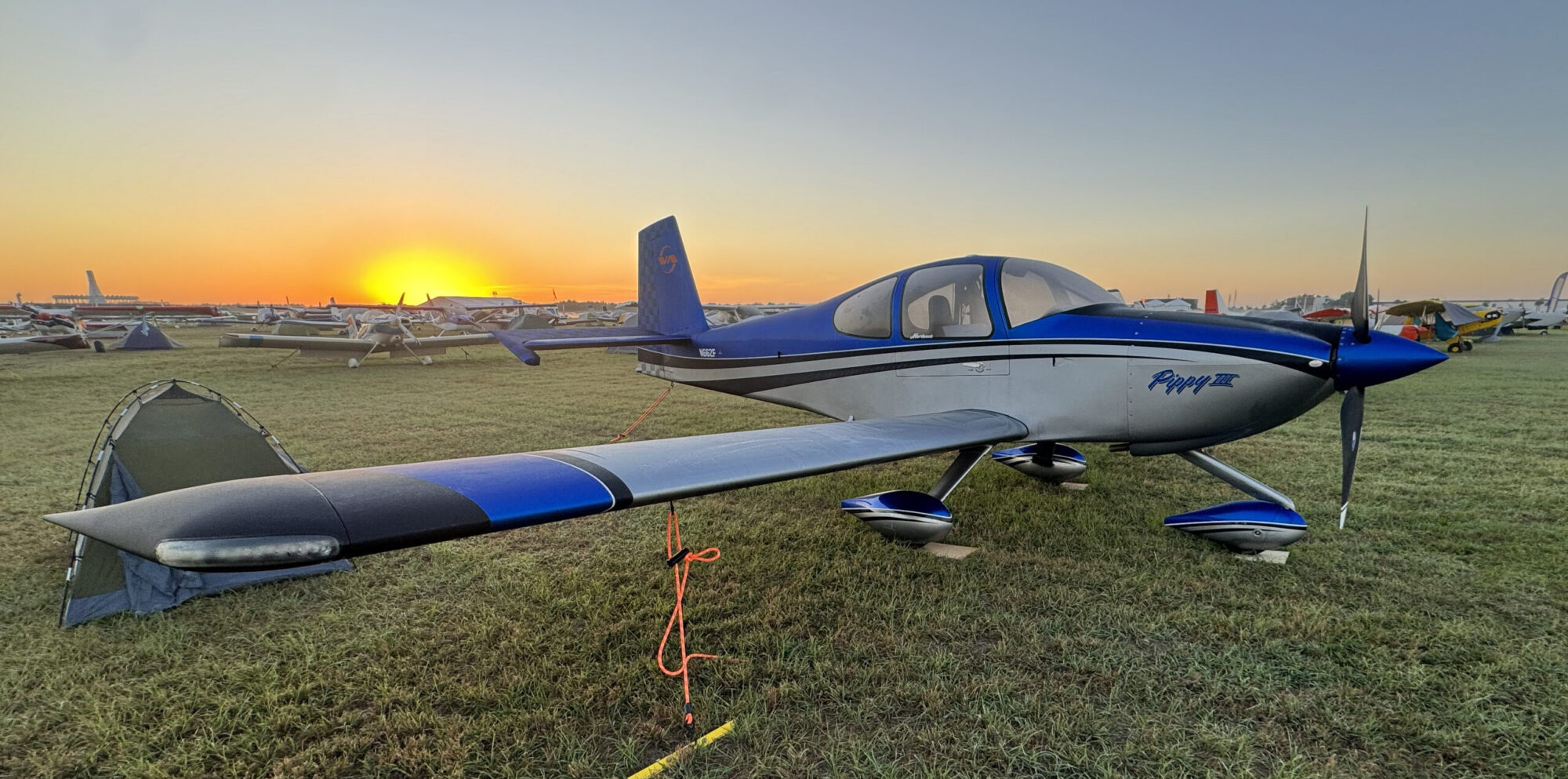
This is a typical check that you accomplish at each annual condition inspection.
You remove one sparkplug from each cylinder and then use a compression checking tool to check each cylinder to ensure there are no leaks past the valves or the piston rings. Paul Dye has a pretty good video on Youtube of how to use the tool:
KITPLANES Firewall Forward: Compression Testing
I find top dead center (TDC) on each cylinder and then charge each cylinder in turn to 80psi of air and observe if the cylinder is “holding” the air. Any value above about 60 psi indicates the cylinder is OK. Of course, it makes sense to look at the valves as well using a borescope if you suspect any other issues.
This test puts a lot of pressure on the propeller which can cause it to turn. If your head happens to be in the way, you can get whacked hard by the propeller (ask me how I know). The key is that the piston must be all the way up and both valves closed (this is top dead center on the compression stroke). If the piston is not at TDC when you bring the air pressure up the propeller will want to spin backward if you are before TDC and forward if you are beyond TDC.
I had the help of Dave F. and Enzo C. which makes doing the test easier and safer though I know most aviation mechanics do this test solo.
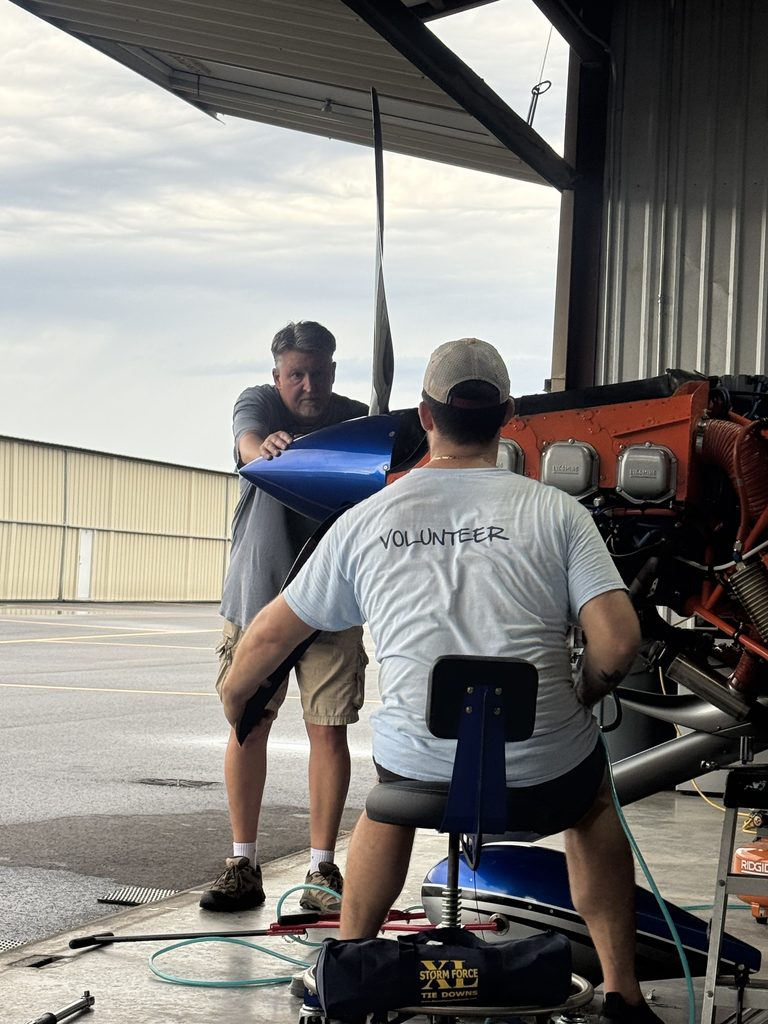
Today the test went well on five of the cylinders. I need an adaptor to get to the sixth one. I will do that last one when I get back out to the airport to continue the inspection.
Update: I was able to remove the EGT sensor on cylinder #6 which then gave me access to the lower sparkplug hole.
Here are the numbers:
#1 77/80
#2 72/80
#3 78/80
#4 72/80
#5 78/80
#6 78/80
After doing this test I decided to change the spark plugs. This engine configuration uses automotive sparkplugs which are much less expensive than aviation ones. They cost about 1/4 the price of aviation ones so changing them more often isn’t a big deal.
In this engine I use NGK BR8EIX short reach plugs gapped to .032. They require an adapter to fit the 18mm holes in the cylinders because they are only 14mm in diameter.