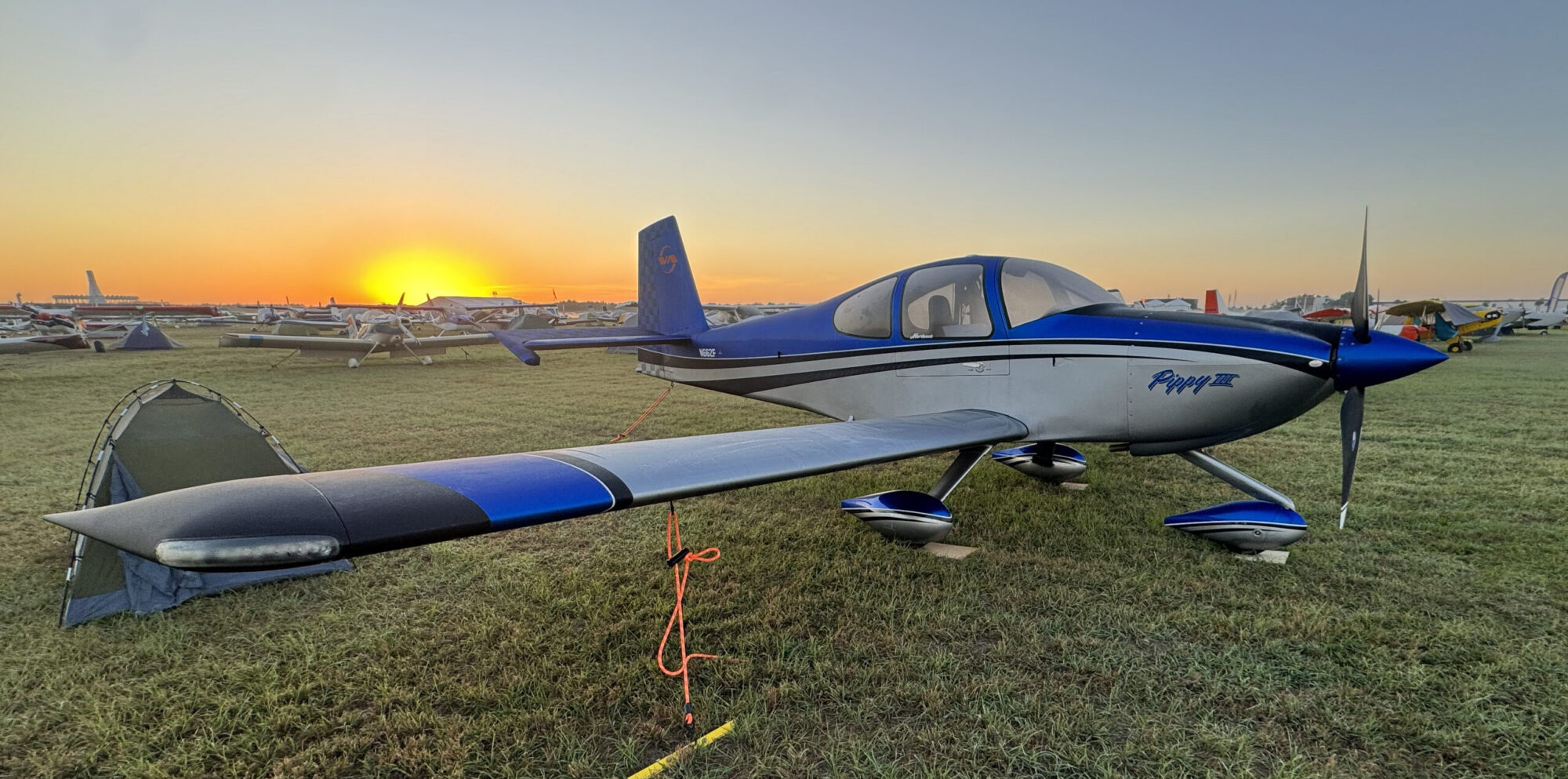
Cylinder Compression Check

This is a typical check that you accomplish at each annual condition inspection.

You remove one sparkplug from each cylinder and then use a compression checking tool to check each cylinder to ensure there are no leaks past the valves or the piston rings. Paul Dye has a pretty good video on Youtube of how to use the tool:

KITPLANES Firewall Forward: Compression Testing

I find top dead center (TDC) on each cylinder and then charge each cylinder in turn to 80psi of air and observe if the cylinder is “holding” the air. Any value above about 60 psi indicates the cylinder is OK. Of course, it makes sense to look at the valves as well using a borescope if you suspect any other issues.

This test puts a lot of pressure on the propeller which can cause it to turn. If your head happens to be in the way, you can get whacked hard by the propeller (ask me how I know). The key is that the piston must be all the way up and both valves closed (this is top dead center on the compression stroke). If the piston is not at TDC when you bring the air pressure up the propeller will want to spin backward if you are before TDC and forward if you are beyond TDC.

I had the help of Dave F. and Enzo C. which makes doing the test easier and safer though I know most aviation mechanics do this test solo.
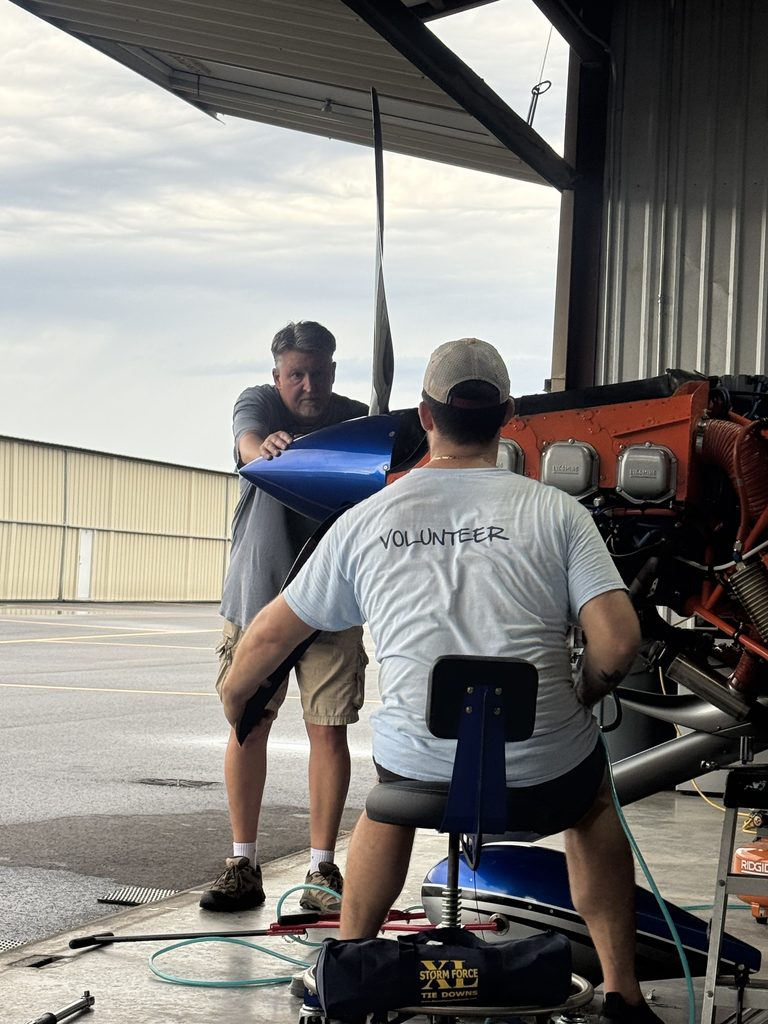
Today the test went well on five of the cylinders. I need an adaptor to get to the sixth one. I will do that last one when I get back out to the airport to continue the inspection.

Here are the numbers:

#1 77/80

#2 72/80

#3 78/80

#4 72/80

#5 78/80

#6 TBD

After doing this test I decided to change the spark plugs. This engine configuration uses automotive sparkplugs which are much less expensive than aviation ones. They cost about 1/4 the price of aviation ones so changing them more often isn’t a big deal.

In this engine I use NGK BR8EIX short reach plugs gapped to .032. They require an adapter to fit the 18mm holes in the cylinders because they are only 14mm in diameter.

Oil Change

The annual condition inspection is due this month. I can do the inspection and sign it off under the new FAA MOSAIC rules because I took the 16 hour course that they mandate and because my updated airworthiness certificate allows it.

The first task (of many) is to change the oil.

I got to work on it yesterday. It will likely take two to three full days to complete.

I started on the firewall forward.

I warmed up the engine by flying a couple of patterns with my friend Enzo. Then we uncowled the airplane. The first task was to change the oil.

I have changed the oil once before on this engine. I forgot that the manufacturer installed a quick drain on the bottom left side of the oil sump. I took the other drain plug out which is more difficult and results in more spilled oil. Lesson learned for the next time.

I took a sample of the used oil to send to AVLABs for analysis. My airplanes have always had relatively new engines so I have never had a report come back with any issues, but I still prefer to send the sample off.

Changing the oil is a mundane and a bit frustrating task for one reason: The oil filter is difficult to get to and hard to take off and re-install. It almost always ends up creating a bit of a mess because there is really no way of taking off the filter without spilling some oil on the engine components below it.

I used a big 1″ box end wrench to take the filter off, but in retrospect it might be easier if I had a shorter wrench. There is no way to get a torque wrench on the filter so I have to reinstall it to my best estimate on torque.

I use a boatload of paper towels to catch the oil that inevitably spills when I take the filter off. I have heard that some guys use disposable baby diapers for this. I might give that a try.

After reinstalling the drain plug (and safety wiring it) and the oil filter (and safety wiring it too), it was time to put oil back in the engine. I used 9 quarts of Phillips X/C multi-weight (20w-50). This is a bit more than necessary, but it accounts for the oil that is in the filter. I also have a bunch of Phillips Victory 20w-50 on hand. The only difference between the two is that the Victory has anti-scuff guard. Lycoming does not say this is needed for my engine, it is more needed for turbocharged engines and some older, smaller engines. On the other hand, Lycoming says it is ok to use the Victory oil so I will likely use that at the next oil change.

145 hours on the engine.